

How an Ear Specialist Can Help With Noise-Related Hearing Changes
Loud sounds can change how clearly you hear conversations and everyday activity. Changes may develop gradually until familiar voices sound muffled or background noise becomes distracting. Other changes follow a single unusually loud event, such as an explosion or concert. Temporary improvement after quiet rest does not necessarily rule out lasting damage.
An ear specialist can help determine what is affecting your hearing and recommend practical next steps. Recognizing noise-related damage, seeking evaluation, and preventing further exposure can support long-term hearing health.
Recognizing Early Hearing Changes
Noise-related hearing loss does not always begin with obvious silence. You might hear someone speaking but struggle to distinguish certain words, especially in busy environments. Higher-pitched consonants may become harder to understand, even when the volume of a conversation seems adequate. Even small difficulties can affect relationships and confidence in social settings.
Other warning signs include regularly increasing the television volume, asking people to repeat themselves, or noticing that sounds seem dull after a noisy event. Ringing, buzzing, or hissing in the ears can also signal a problem. These sensations, called tinnitus, may occur without noticeable hearing loss.
An ear specialist can review these symptoms and help establish whether they reflect temporary changes, lasting damage, or another medical condition. Mention when symptoms began, which ears are affected, and when they worsen. Sudden hearing loss, particularly in one ear, requires immediate medical attention rather than waiting for a routine appointment.
Understanding Everyday Noise Exposure
Hazardous noise extends beyond industrial workplaces. Power tools, lawn equipment, concerts, sporting events, motorcycles, and personal headphones can produce sound levels that threaten hearing when exposure is sufficiently loud or prolonged. Risk depends on volume, duration, and distance. A single extremely loud event can cause harm without repeated exposure.
According to the Hearing Health Foundation, 22 million U.S. workers are exposed to hazardous noise levels each year. The figure highlights hearing risks across construction, manufacturing, landscaping, and entertainment. Recreational noise adds exposure outside working hours.
Inside the cochlea, delicate sensory hair cells help convert sound vibrations into signals the brain interprets. Excessive sound can damage these cells, which cannot regenerate. Consequently, permanent noise-induced hearing loss cannot simply be reversed with medication.
An ear specialist may ask about workplace conditions, hobbies, headphone habits, and past exposure to sudden loud sounds. These details help connect symptoms with potential risks.
Evaluating Hearing With Appropriate Tests
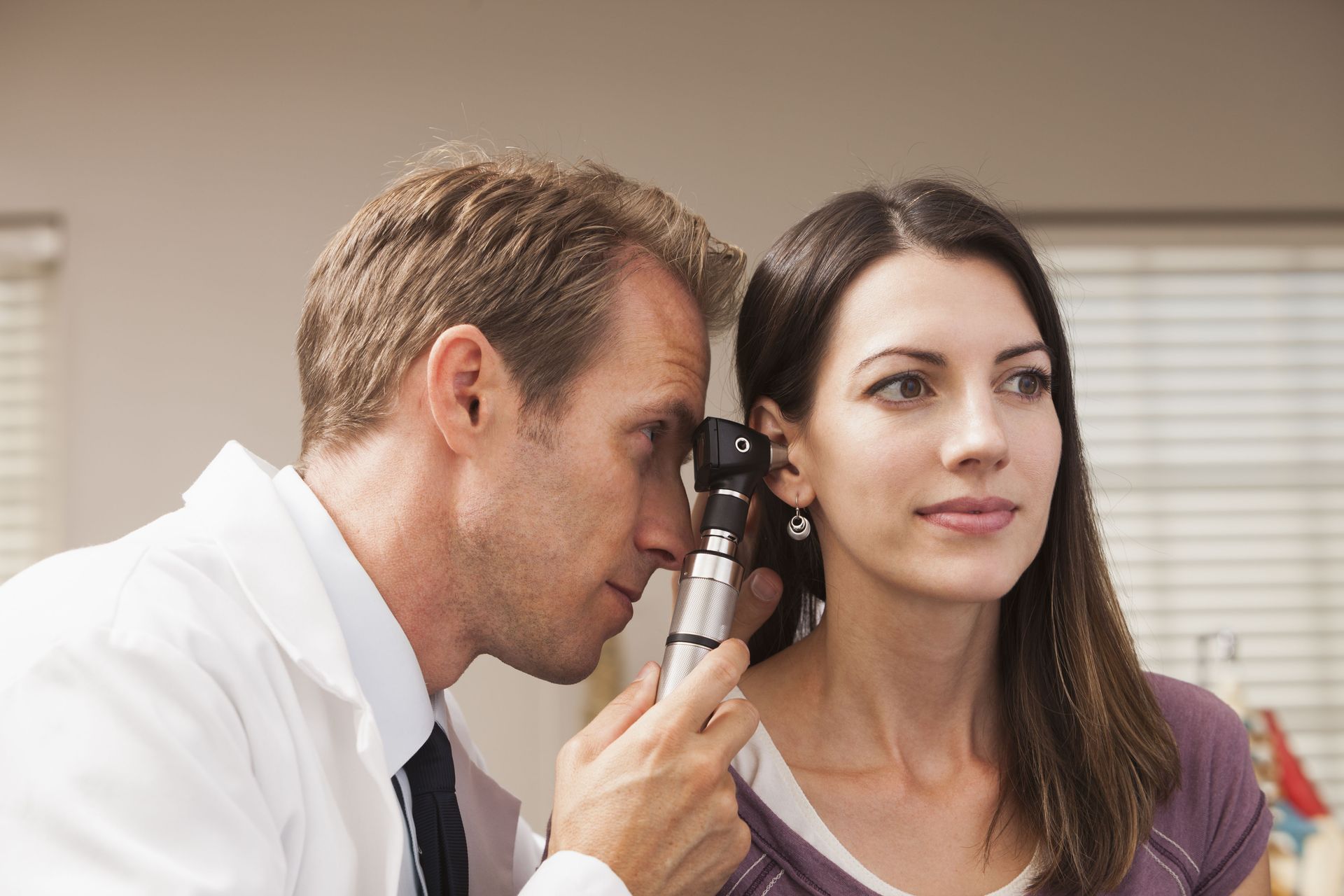
A hearing evaluation usually begins with questions about your medical history, symptoms, medications, and previous noise exposure. Your clinician may inspect the ear canal and eardrum to look for wax buildup, inflammation, or other visible conditions that could affect hearing. This helps distinguish noise damage from other conditions.
An ear specialist may coordinate testing with an audiologist, a professional trained to measure hearing ability. During pure-tone audiometry, you respond to tones at different pitches and volumes. An audiogram displays the softest sounds detected across frequencies. Results may reveal differences between ears needing closer attention.
Speech testing may assess how well you recognize words, while tympanometry can evaluate how the eardrum and middle ear respond to pressure changes. Testing depends on symptoms and examination findings.
Results provide a baseline for comparison. If your job or hobbies involve frequent loud noise, periodic testing can reveal changes you might not notice during everyday conversations. Your care team can explain the findings.
Identifying Other Possible Hearing Problems
Although noise is a common contributor to hearing difficulties, it is not the only explanation. Earwax blockage, middle ear fluid, infections, age-related changes, and certain medications can affect how people hear. Some are treatable, making accurate diagnosis important.
An ear specialist can consider whether symptoms suggest a conductive problem, which interferes with sound traveling through the outer or middle ear, or a sensorineural problem involving the inner ear or auditory nerve. Noise damage typically affects inner ear structures, but multiple conditions can occur together.
Tell the clinician about ear pain, drainage, dizziness, pressure, or differences between your ears. These details help guide further testing. Persistent ringing in only one ear or uneven hearing deserves medical assessment.
Timing also matters. A rapid drop in hearing, whether or not it follows a noisy event, may represent an urgent condition. Seeking immediate medical care for sudden hearing loss is important because delaying diagnosis can reduce the effectiveness of certain treatments.
Exploring Personalized Hearing Support
When testing identifies lasting hearing loss, the next step is understanding which options can improve communication. Permanent injury to inner ear hair cells generally cannot be repaired, but many people benefit from devices and strategies that make conversations easier to follow.
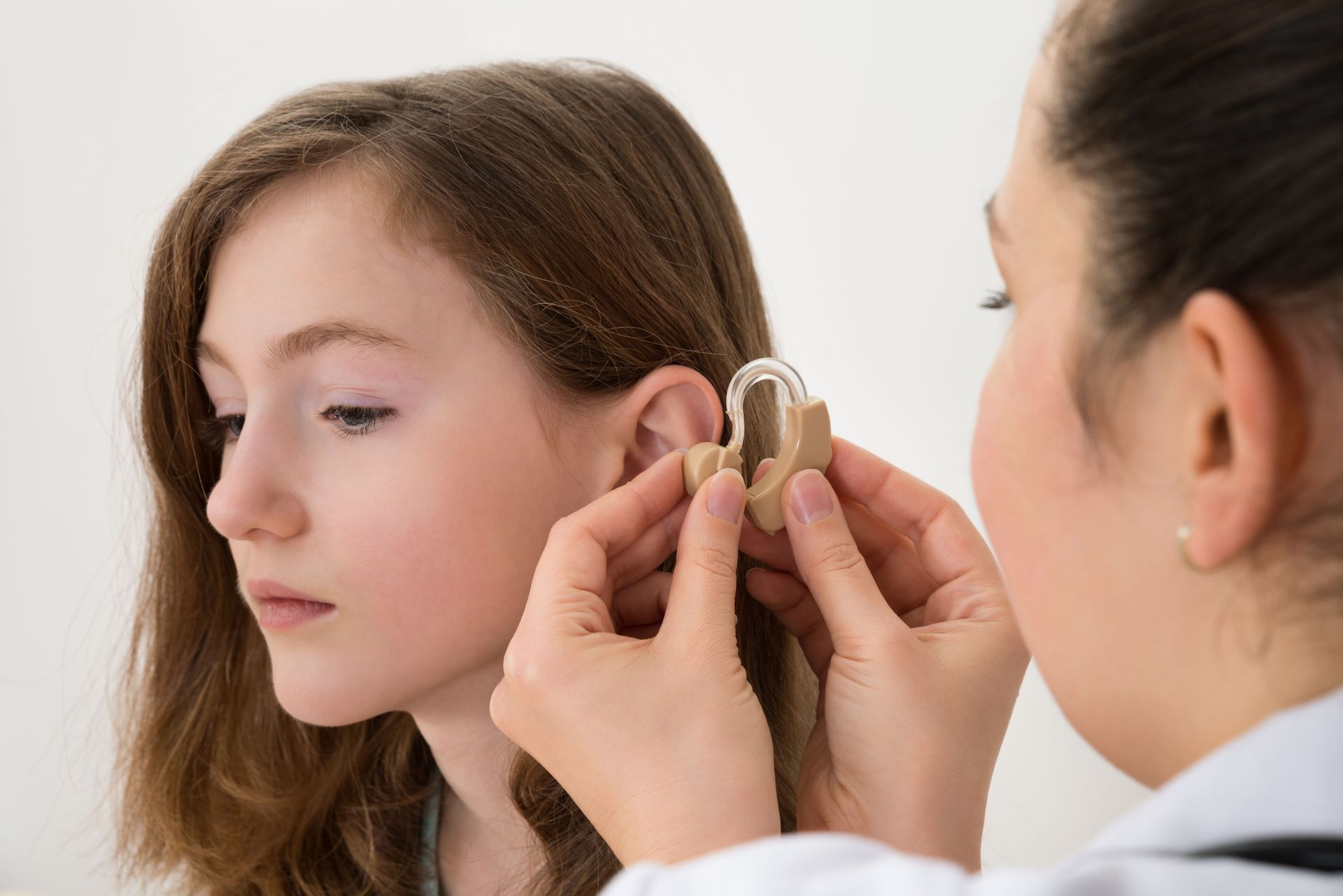
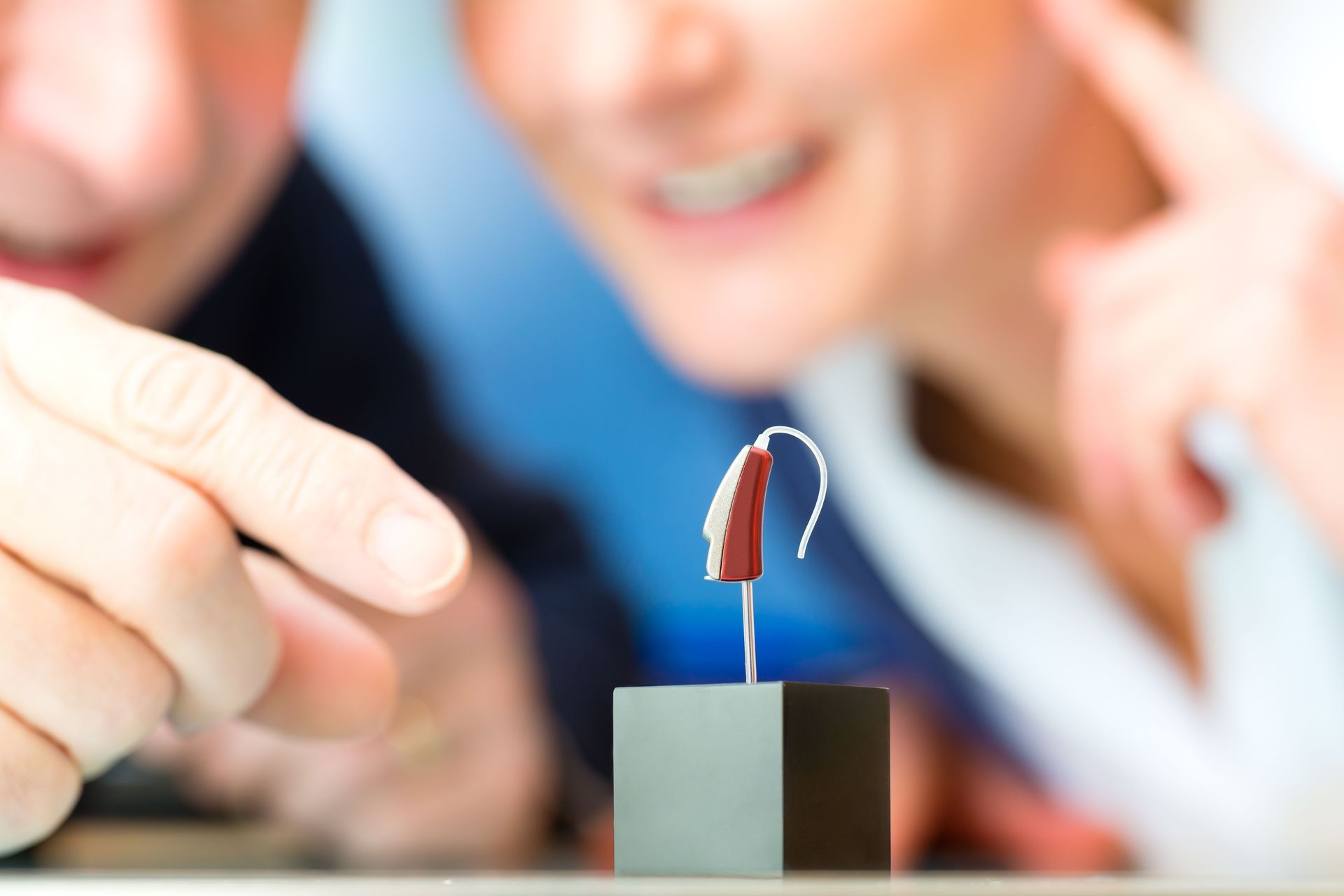
An ear specialist can explain findings, address treatable medical conditions, and discuss whether hearing aids or additional audiology services may help. Hearing aids amplify selected sounds according to the person's hearing profile. Their settings may need adjustments as the wearer becomes accustomed to different listening environments. People may need time and guidance to adjust to amplification.
For some individuals, assistive listening technology provides additional support during telephone calls, television viewing, meetings, or public events. Communication strategies also matter: reducing background noise, facing the person speaking, and requesting clear speech can lessen frustration.
Plans reflect hearing loss, preferences, and daily activities. Follow-up visits help address difficulties and reassess hearing. The goal is not to promise restored hearing but to improve access to meaningful sounds and conversations.
Managing Ringing and Sound Sensitivity
Tinnitus may sound like ringing, buzzing, hissing, or roaring even when no external source produces the noise. It can be intermittent or persistent, and its effect on sleep, concentration, and mood varies considerably. Describe any uncomfortable sensitivity to sounds alongside difficulties with concentration, rest, and daily comfort. Loud sound exposure is one possible trigger, but tinnitus can also accompany other ear or health conditions.
An ear specialist can assess symptoms, review hearing results, and look for medical concerns that need attention. If tinnitus occurs alongside hearing loss, properly fitted hearing aids may improve awareness of environmental sounds and make the ringing less noticeable for some people.
Other approaches include counseling, sound enrichment, and sleep strategies. Background sound from a fan or sound generator may reduce how prominent tinnitus feels in quiet settings. Treatment focuses on reducing its impact rather than guaranteeing that the sound will disappear.
Avoid exposing sensitive ears to unnecessary loud sounds, but do not assume complete silence is always helpful. Discuss persistent tinnitus, one-sided symptoms, or worsening hearing with a medical professional so the care plan addresses your specific needs.
Preventing Additional Hearing Damage
Protecting existing hearing is important even when tests reveal no significant loss. If you regularly encounter loud equipment or entertainment, choose well-fitting earplugs or earmuffs designed for the environment. Inconsistent wear or poor fit can undermine protection.
An ear specialist can help you understand which activities warrant precautions and when follow-up testing makes sense. Reduce listening volumes, take breaks from noisy settings, and increase your distance from speakers or machinery whenever possible. Consider carrying earplugs when attending unpredictable loud public events. At work, controls should reduce noise at its source.
Keep track of recurring symptoms, particularly muffled hearing or ringing after exposure. These changes are reasons to reconsider your habits and seek an evaluation, not signs to ignore until communication becomes difficult.
Addressing hearing concerns early supports informed decisions about treatment, communication, and prevention. An individualized evaluation and sensible protection habits can help preserve hearing. Call Villa Rice Ear Nose & Throat today to schedule your ENT appointment.






Share On: